


15 Scare Actor Costume Ideas for Haunted Houses
The best scare actor costume ideas create a clear silhouette, support safe movement, and stay convincing through an entire haunted-house shift. Start with a character guests can recognize in seconds, then choose a mask, hands, clothing, and props that reinforce the same story without limiting your sight, breathing, or range of motion.
If you are building a character for a professional haunt, home attraction, hayride, or Halloween event, use these ideas as starting points. Each one can be adapted to your room, performance style, and attraction rules.
What Makes a Good Scare Actor Costume?
A good scare actor costume does three jobs at once: it tells guests what the character is, helps the performer create a memorable shape, and remains safe enough to wear repeatedly. Before choosing a look, ask:
- Can I see the floor, guests, coworkers, and emergency exits?
- Can I breathe and hear clearly enough for this scene?
- Can I crouch, turn, reset, and move through my assigned space?
- Will loose fabric, footwear, hair, or accessories catch on the set?
- Can I maintain this character for a full shift?
On a busy October Saturday, a performer may have only seconds to reset before the next group arrives. A costume that looks impressive but constantly needs to be adjusted will weaken the scare. Rehearse in the complete outfit before opening night.
For more performance guidance, read How to Be a Scare Actor: 13 Professional Tips for Haunted House Performers.
15 Scare Actor Costume Ideas for Haunted Houses
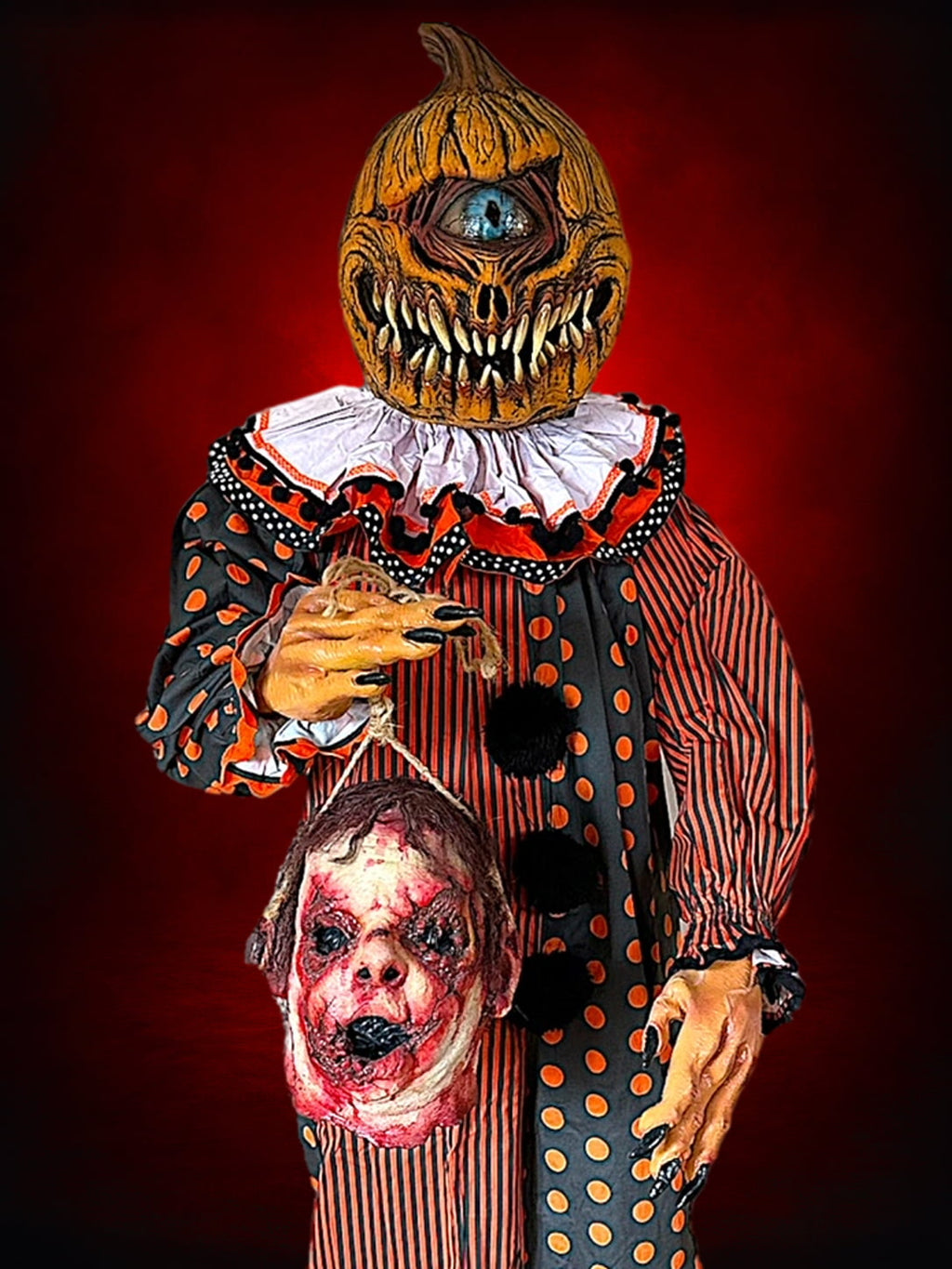
1. The Pumpkin Creature
A pumpkin-headed character works especially well in harvest scenes, corn mazes, barns, porches, and rooms filled with jack-o'-lanterns. Start completely still so guests mistake you for part of the display. A slow head turn followed by one controlled step can be more effective than an immediate charge.
The Pumpkin Watcher HD Studios Halloween Costume creates the full character with a movie-quality pumpkin mask, hand-sewn clown suit with a detachable collar, and hand-painted latex hands. The current costume fits approximately 5'10" to 6'4" and 170 to 250 pounds, with an optional Jack-o'-lantern head add-on.
2. The Decaying Zombie
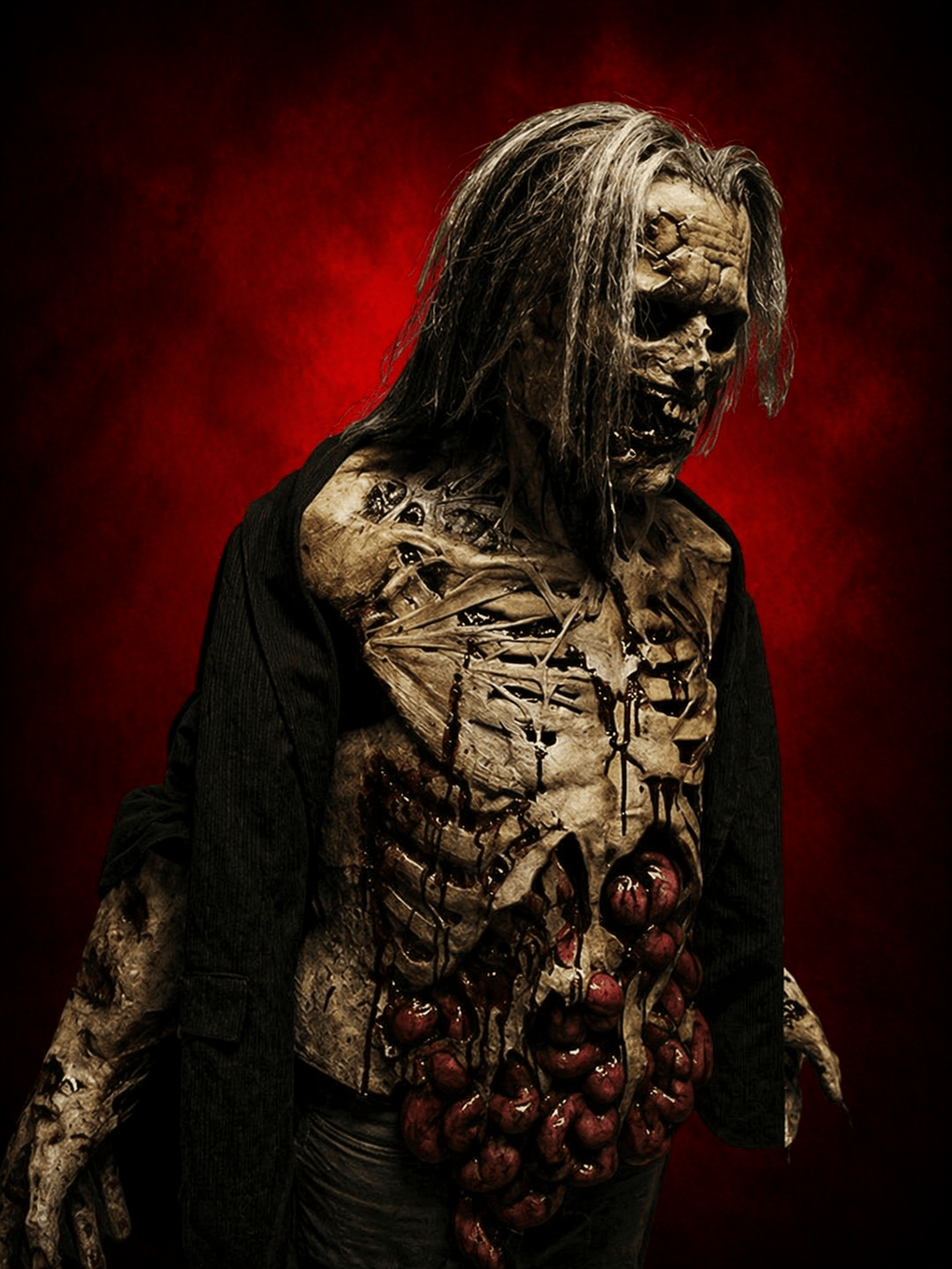
A zombie is flexible because the performer can build the character around movement. Try an uneven walk, a sudden change of direction, or long pauses that make guests wonder whether the figure is real. Avoid relying on constant groaning; quieter breathing and small physical details often feel less predictable.
The Zombie Lurker HD Studios Pro Halloween Costume includes a hand-painted studio-quality mask with an attached chest and studio hands. The exposed skeleton, decaying flesh, and hanging-guts design supply the creature work, while the performer wears their own clothes for a more adjustable fit.
3. The Dark-Carnival Clown
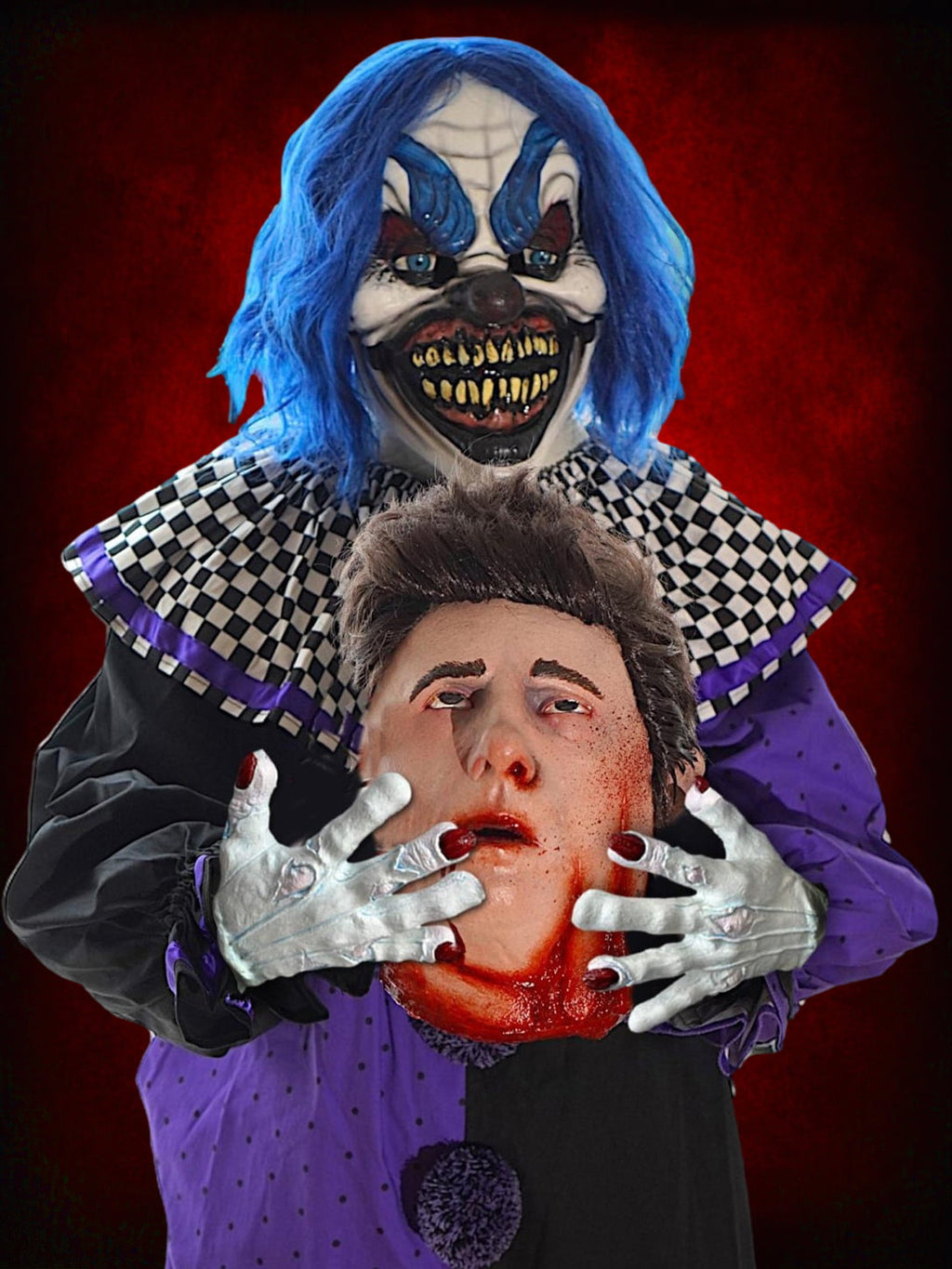
A clown character can move from playful to threatening without changing costumes. Use a friendly wave, exaggerated curiosity, or an off-balance walk before revealing the threat. This contrast gives the audience a moment of uncertainty—and that is where the scare begins.
The current Shadow the Clown HD Studios Halloween Costume includes the Pro Collector Shadow the Clown mask, comfort-fit monster hands, and a hand-sewn clown suit with latch closures, Velcro, and a detachable ruffled collar. Available options include the full costume, mask and hands, or a full version with the Jonathan severed-head prop. It is designed to fit approximately 5'9" to 6'4" and 170 to 240 pounds.
4. The Towering Cryptid
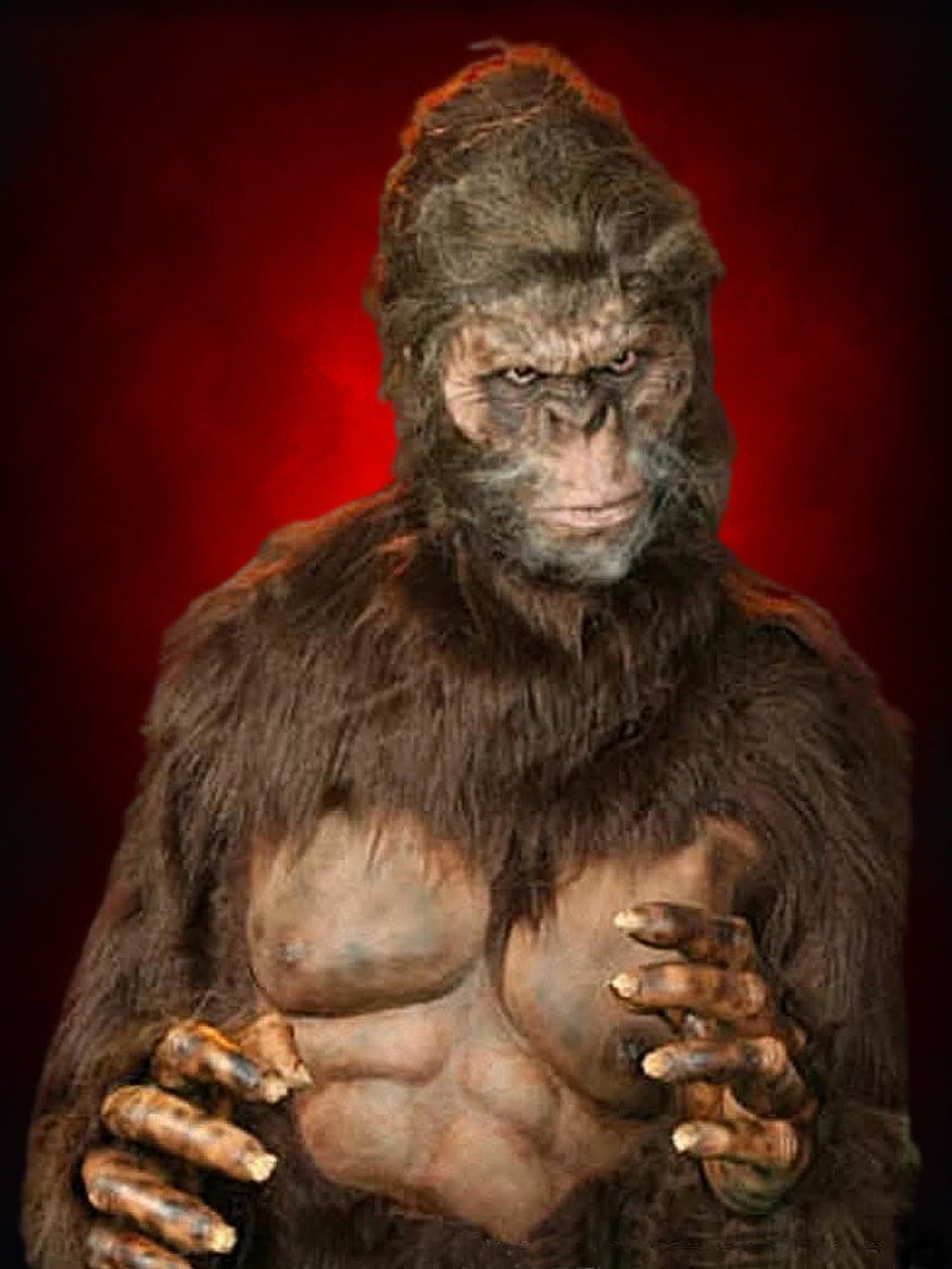
Height changes the way guests read a room. A towering cryptid can remain partially hidden behind scenery, then rise to reveal its full size. This idea is strongest in woodland paths, cabins, caves, campsites, and low-lit exterior scenes where guests first notice the outline.
The Bigfoot HD Studios Pro Costume includes a full fur suit, detailed mask with an interior latex helmet, oversized foam-filled hands with dowel grips, matching feet, and a muscle suit. It fits performers from approximately 5'9" to 7 feet and 180 to 320 pounds, and can add up to one foot of apparent height.
5. The Silent Undertaker
Build this character around stillness and eye contact. Use a long coat, dark gloves, a weathered hat, and a face that appears drained or corpse-like. Instead of chasing guests, silently gesture toward a coffin, doorway, or grave marker as though you already know where they are going.
6. The Infected Surgeon
An infected medical character belongs in laboratory, hospital, morgue, and containment scenes. Distress the clothing with venue-approved paint and aging techniques, then decide whether the character is still trying to help or has completely turned. That single choice will shape every movement.
7. The Butcher
A stained apron, heavy gloves, protective mask, and approved prop tool create a readable silhouette. The performer does not need to swing the prop. Slow sharpening motions, dragging sounds, or calmly inspecting the next “cut” can build more tension while maintaining safe distance.
8. The Possessed Doll
Use stiff posture, small steps, a fixed head angle, and sudden changes in direction. A cracked or blank doll mask can carry the look, while old-fashioned clothing establishes the time period. Practice the movement before adding restrictive sleeves, gloves, or footwear.
9. The Escaped Experiment
This idea works for performers who prefer physical acting. Begin with cautious, animal-like movement and react to light or sound as though the character has never encountered it. Torn institutional clothing, an altered face, and nonrestrictive creature hands can create the transformation without overloading the costume.
10. The Plague Doctor
The long beak and dark layers create an unmistakable outline. Use measured steps and deliberate hand movements rather than speed. Because the mask shape can affect sightlines and ventilation, rehearse turns, stairs, and narrow passages before placing this character in a scene.
11. The Swamp Creature
Layer mossy textures, ragged fabric, muted color, and a creature mask that blends into the set. Position the actor near reeds, netting, barrels, or decayed wood. The scare works when the character separates from the background, so match the costume colors to the actual room.
12. The Living Scarecrow
A scarecrow is ideal for a misdirection scene. Place the performer among static figures, then reveal life through one small movement. Make sure straw, raffia, rope, and loose sleeves are secured so nothing blocks vision, catches on scenery, or becomes a fire hazard.
13. The Ruined Carnival Barker
Unlike a silent clown, the barker uses short lines to control attention: invite guests forward, promise them a prize, or introduce the monster in the next room. A damaged tailcoat, top hat, gloves, and grotesque face create a character who can entertain the queue while setting up another actor's scare.
14. The Undead Miner
This character fits tunnels, caves, industrial passages, and abandoned-town scenes. Use aged workwear, gloves, a helmet, and a dirty corpse or skeletal face. A small venue-approved light can direct attention away from the actor's true position, but never shine it directly into a guest's eyes.
15. The Faceless Stalker
When the mask reveals very little, body language has to do more. Choose a simple, high-contrast silhouette and repeat one recognizable movement—a tilted head, dragging foot, or slow reach. The restraint makes the character feel intentional instead of unfinished.
Should You Buy a Complete Costume or Build One?
Choose a complete costume when you need a polished character quickly and want the mask, hands, and clothing to share the same design. This is especially useful for photo-ready characters, featured rooms, queue entertainment, and attractions that need a consistent look across performances.
Choose a modular costume when fit, movement, or customization matters more. A mask-and-hands set allows the performer to select clothing suited to the scene, weather, and physical demands. Zombie Lurker is a good example: the detailed creature pieces establish the character while the performer supplies the clothing.
Explore The Horror Dome's complete selection of scare actor costumes and masks or browse professional Halloween costumes for finished characters.
How Do You Choose a Mask for Scare Acting?
Choose a mask by testing visibility, ventilation, hearing, stability, and compatibility with the character's movements. A mask that looks frightening on a shelf may not suit a dark hallway, stairs, outdoor heat, or a role that requires frequent turning.
Put on the complete costume and walk the actual route if your attraction permits it. Check the floor, doorways, low scenery, other actors' positions, and the point where each group enters. If the mask limits a necessary sightline, change the blocking or choose another mask.
You can compare additional options in The Horror Dome's scary Halloween masks, scary clown costumes, and zombie costumes.
How Can You Make a Scare Actor Costume Look More Real?
Keep every element inside the same story. The clothing, face, hands, footwear, movement, voice, and prop should look as though they belong to one character in one environment. A heavily aged mask paired with spotless modern shoes breaks the illusion.
- Age clothing in layers instead of applying one uniform stain.
- Extend makeup or costume detail to the neck and hands.
- Match dirt and damage to the scene: ash, mud, grease, decay, or weather.
- Use lighting to reveal the strongest details and conceal weak transitions.
- Repeat a specific posture or movement so the costume and performance feel connected.
Scare Actor Costume Safety Checklist
- Confirm the attraction's costume, prop, footwear, and touching rules.
- Test peripheral vision, hearing, and breathing.
- Secure loose fabric, hair, cords, straps, and accessories.
- Use only approved props and maintain the required guest distance.
- Know how to remove the mask or costume quickly if necessary.
- Keep exits, walkways, controls, and fire equipment unobstructed.
- Stop performing and follow venue procedure if a guest falls or becomes distressed.
Build the Character, Then Choose the Look
The strongest scare actor costume is not automatically the biggest or bloodiest one. It is the costume that makes the character readable, supports the actor's movement, and holds together from the first group to the last.
Decide what guests should understand in the first two seconds. Then choose the mask, hands, clothing, and details that make that idea unmistakable. When the costume and performance tell the same story, even a brief encounter can become the scare guests remember on the drive home.


Leave a comment